(By Tahir Masood)
Introduction
In the ever-evolving world of wellness trends, Himalayan pink salt has emerged as a purported miracle ingredient for weight loss. Social media platforms, particularly TikTok and Instagram, buzz with videos promoting the “pink salt trick”—a simple concoction of warm water, lemon juice, and a pinch of Himalayan pink salt, claimed to boost metabolism, reduce bloating, and shed pounds effortlessly. Proponents hail it as “nature’s Mounjaro,” drawing comparisons to prescription weight-loss drugs like Ozempic. But is there any truth to these claims, or is it just another fad?
This article dives deep into the origins, composition, and purported benefits of Himalayan pink salt for weight loss. Drawing from scientific studies, expert opinions, and real-world discussions, we’ll separate fact from fiction. While Himalayan pink salt offers some aesthetic and culinary appeal, the evidence suggests it’s no silver bullet for slimming down. Instead, sustainable weight loss relies on balanced nutrition, exercise, and professional guidance.
Origins of Himalayan Pink Salt
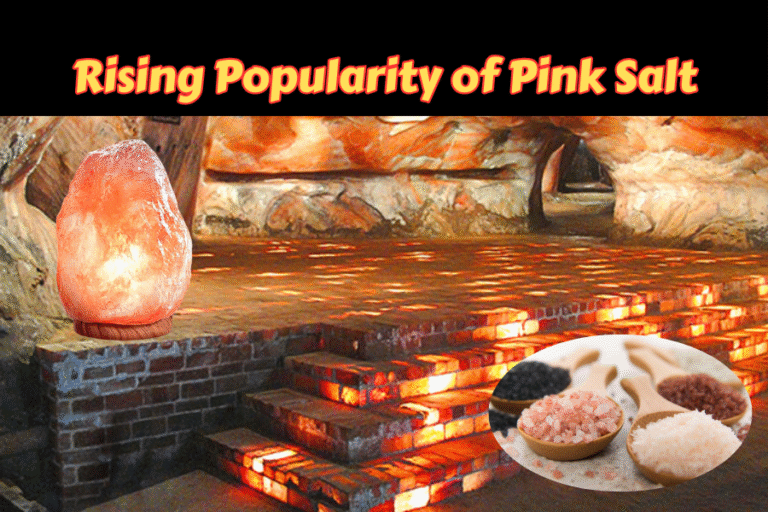
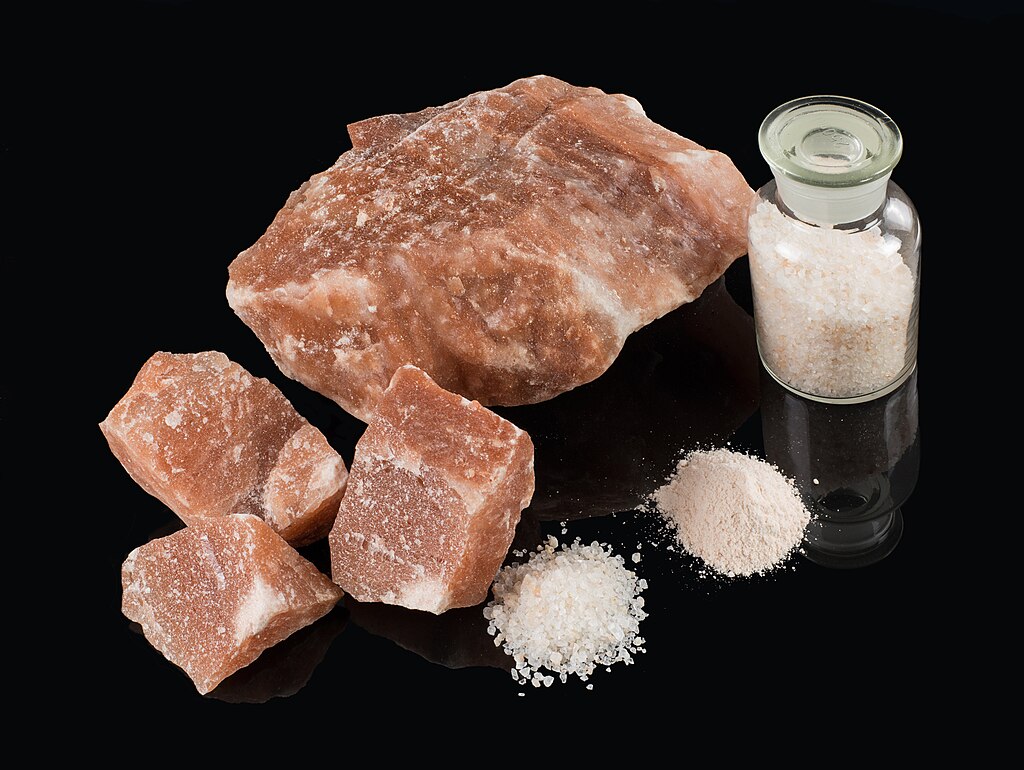
Himalayan pink salt, often marketed as a premium alternative to table salt, is mined from the Khewra Salt Mine in the Salt Range of Pakistani Punjab, about 250 kilometers from Islamabad. Despite its name, it’s not sourced directly from the Himalayan mountains but from ancient salt deposits formed over 250 million years ago. These deposits originated from evaporated prehistoric seas, compressed by tectonic shifts.
The salt’s distinctive pink hue comes from trace minerals like iron oxide. For centuries, it was a local staple, but global marketing in the early 2000s transformed it into a wellness icon. Brands emphasize its “purity” and ancient origins, evoking images of untouched natural bounty. However, as demand surges, concerns about mining sustainability and labor conditions have arisen.

Composition and Characteristics
At its core, Himalayan pink salt is 98% sodium chloride, much like table salt. The remaining 2% consists of trace minerals—up to 84 by some counts—including magnesium, potassium, calcium, and iron. These minerals give it a subtler flavor and coarser texture, making it popular in cooking and as a finishing salt.
Unlike iodized table salt, which is refined and fortified with iodine to prevent deficiencies, Himalayan pink salt is unprocessed and lacks additives. This “natural” profile appeals to health enthusiasts, but the mineral content is too minuscule to provide meaningful nutritional benefits. For instance, you’d need to consume excessive amounts—far beyond safe sodium limits—to gain a notable dose of magnesium.
The Rise of Himalayan Pink Salt in Weight Loss Trends
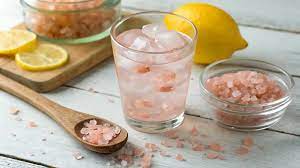
The buzz around Himalayan pink salt for weight loss stems largely from social media. Recipes like the “pink salt trick” involve dissolving 1/4 teaspoon of salt in warm water with lemon juice, consumed on an empty stomach. Advocates claim it hydrates the body, balances electrolytes, detoxifies, and curbs cravings, leading to fat loss. Some add honey or ginger for flavor, positioning it as a natural alternative to weight-loss medications.
On X (formerly Twitter), users share personal anecdotes, with some reporting energy boosts and reduced bloating. Others warn of risks, like sodium poisoning or kidney strain. The trend echoes older practices, such as “sole water” (a saturated salt solution), promoted for mineral replenishment and metabolism support.
Common Claims for Weight Loss
Proponents make several key assertions:
- Improved Hydration and Electrolyte Balance: The trace minerals allegedly enhance water absorption, preventing dehydration-related weight gain. Better hydration might boost metabolism slightly, aiding calorie burn.
- Detoxification and Reduced Bloating: Salt water is said to flush toxins, reduce water retention, and alleviate bloating, creating a slimmer appearance.
- Metabolism Boost: Minerals like magnesium purportedly support thyroid function and energy production, accelerating fat loss.
- Appetite Suppression: Some claim it reduces sugar cravings by stabilizing blood sugar and insulin levels.
- pH Balance and Digestion: Lemon-infused versions are touted for alkalizing the body, improving digestion, and promoting fat breakdown.
These claims often reference the salt’s “84 minerals,” but quantities are negligible—far less than in a multivitamin.
Scientific Evidence: Does It Work?
Despite the hype, scientific backing is scant. No high-quality studies directly link Himalayan pink salt to weight loss. Here’s a breakdown:
Mineral Content and Nutritional Impact
A 2017 analysis of various salts found Himalayan pink salt contains slightly more potassium and calcium than table salt, but differences are insignificant. To derive meaningful benefits from these minerals, consumption would exceed safe sodium limits (2,300 mg daily, per the American Heart Association). Experts like those at Healthline note that claims of pH balancing or libido enhancement lack evidence.
Hydration and Electrolytes
Sole water may aid hydration in athletes or those with electrolyte imbalances, but for average individuals, it’s unnecessary. A review in the Journal of the International Society of Sports Nutrition indicates plain water suffices for most, and excess salt can cause dehydration. Dietitians warn that the “pink salt trick” might lead to temporary water weight loss, mistaken for fat loss.
Detoxification and Bloating
Detox claims are pseudoscience; the liver and kidneys handle detoxification naturally. Studies on salt water flushes (e.g., for colon cleansing) show short-term bloating relief but no sustained weight loss. In fact, high sodium can cause water retention, worsening bloating.
Metabolism and Appetite
No research supports a metabolism boost from pink salt. A 2023 study in Nutrients found lemon water might enhance satiety, but salt addition offers no extra benefit. Appetite suppression claims are anecdotal; excess sodium might increase thirst, not curb hunger.
Comparisons to Weight-Loss Drugs
Equating pink salt to Ozempic is misleading. GLP-1 agonists like Ozempic reduce appetite via hormonal pathways, backed by clinical trials. Pink salt lacks such mechanisms.
Overall, experts from WebMD and Ro conclude the trend is ineffective and potentially harmful.
Potential Benefits Beyond Weight Loss
While not a weight-loss aid, Himalayan pink salt has merits:
- Culinary Use: Its flavor enhances dishes with less salt, potentially reducing overall sodium intake.
- Skin and Respiratory Health: Baths with pink salt may soothe eczema, though evidence is limited. Halotherapy (salt inhalation) shows promise for respiratory issues, but more studies are needed.
- Trace Minerals: In theory, it provides minor electrolyte support, beneficial for low-sodium diets.
Risks and Side Effects
High sodium intake from pink salt can lead to:
- Hypertension and heart disease.
- Water retention, ironically causing bloating.
- Iodine deficiency, as it’s not fortified.
- Contaminants like lead in some batches.
Pregnant individuals or those with kidney issues should avoid excess salt. Always consult a doctor before trends like this.
Alternatives for Effective Weight Loss
For real results, focus on evidence-based strategies:
- Calorie deficit through balanced diets (e.g., Mediterranean).
- Regular exercise: 150 minutes weekly of cardio and strength training.
- Hydration with plain water.
- Professional tools like apps (Noom) or medications under supervision.
Cultural and Social Perspectives
On X, discussions range from enthusiasm to skepticism. Influencers promote it for quick fixes, but experts urge caution. The trend reflects a broader desire for natural remedies amid rising obesity rates.
Economic and Environmental Impact
Pakistan exports millions of tons annually, boosting local economies but straining resources. Ethical sourcing is key to avoid exploitation.
The Future of Himalayan Pink Salt Trends
As scrutiny grows, expect more debunking. Innovation might shift to flavored salts or wellness products, but weight-loss claims will likely fade without evidence.

Conclusion
Himalayan pink salt is a visually appealing, mineral-rich seasoning, but it’s no weight-loss wonder. Claims of fat-burning prowess are largely mythical, driven by marketing and misinformation. While it may support hydration in moderation, excessive use risks health issues. For lasting weight loss, prioritize science-backed habits over salty shortcuts. Consult healthcare professionals before trying any trend—your body deserves evidence, not hype.