
(By Jennifer L. Selter)
Introduction
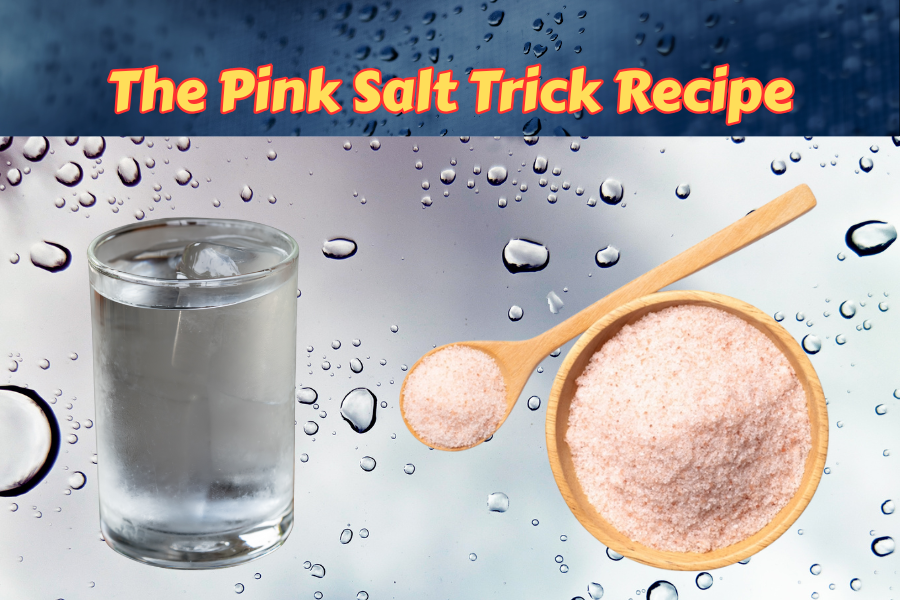
In 2025, the “pink salt trick” has exploded across social media platforms like TikTok, Instagram, and YouTube, touted as a simple, natural hack for shedding pounds without drastic diets or expensive supplements. Often dubbed the “natural Mounjaro” or compared to weight-loss drugs like Ozempic, this morning ritual involves mixing Himalayan pink salt with warm water, lemon juice, and sometimes other ingredients like honey or apple cider vinegar. Proponents claim it boosts metabolism, reduces bloating, curbs cravings, and promotes fat loss—all from a quick, inexpensive drink.
But is this viral trend a legitimate weight-loss tool or just another wellness fad? This comprehensive article, based on extensive web research including scientific analyses, expert opinions, and user experiences from sources like Healthline, Snopes, and social media discussions, examines the origins, recipes, purported benefits, and evidence. While the pink salt trick may offer minor hydration perks, research shows it’s unlikely to deliver significant weight loss. Instead, it could pose risks from excess sodium. We’ll break it down step by step, empowering you to make informed decisions.
Origins and Popularity of the Pink Salt Trick
The pink salt trick draws from ancient wellness practices like Ayurvedic rituals and “sole water” (a saturated Himalayan salt solution), which have been used for centuries to support hydration and mineral balance. Himalayan pink salt, mined from Pakistan’s Khewra Salt Mine, gained modern fame in the early 2000s for its trace minerals and rosy hue. The “trick” version surged in popularity around 2022 on TikTok, where influencers shared recipes claiming dramatic results, like reduced sugar cravings and clearer skin.
By 2025, videos like “PINK SALT TRICK – Melt Belly Fat Naturally?” have amassed millions of views on YouTube. Social media users on X (formerly Twitter) share personal stories, with posts like “Pink salt + lemon + lime = game changer!” garnering likes and shares. However, skepticism abounds, with alerts about AI-generated scams featuring fake endorsements from celebrities like Oprah. The trend’s appeal lies in its simplicity and “natural” vibe, aligning with the post-pandemic demand for home remedies amid rising obesity rates.
Composition of Himalayan Pink Salt
Himalayan pink salt is 98% sodium chloride, with the remaining 2% comprising trace minerals like magnesium, potassium, calcium, and iron—up to 84 by some claims. These minerals give it a milder flavor and pink color from iron oxide. Unlike iodized table salt, it’s unrefined and lacks additives, appealing to those seeking “pure” options. However, the mineral amounts are negligible; you’d need excessive salt to gain meaningful benefits, risking sodium overload.
Popular Pink Salt Trick Recipes
The core recipe is straightforward, but variations abound. Here’s a breakdown based on viral sources:
Basic Recipe (Viral TikTok Version)
- Ingredients:
- 8-12 oz warm filtered water
- 1/4 tsp Himalayan pink salt
- Juice of 1/2 lemon
- Instructions:
- Warm the water (not boiling) to aid dissolution.
- Add salt and stir until fully dissolved.
- Squeeze in lemon juice and mix.
- Drink on an empty stomach in the morning.
- Why this? Lemon adds citric acid for digestion, while salt provides electrolytes.
Sole Water Method (Concentrated Version)
- Ingredients:
- 1/4 cup Himalayan pink salt
- 1 cup filtered water (for sole concentrate)
- Daily: 1 tsp sole in 8 oz water
- Instructions:
- Fill a jar with salt and water; let sit 24 hours until saturated.
- Dilute 1 tsp in water daily.
- Source: Popular in wellness blogs for sustained mineral release.
Enhanced Variations
- With Honey and Ginger: Add 1 tsp raw honey and grated ginger for sweetness and anti-inflammatory effects.
- Apple Cider Vinegar Boost: Include 1 tsp ACV for blood sugar control.
- Berry-Infused: Mix with mashed berries and honey for flavor.
- Fasting-Friendly: Use cold water and a pinch of salt (1/16 tsp) to avoid breaking a fast.
These recipes take under 5 minutes and cost pennies, making them accessible.
Common Claims for Weight Loss
Advocates assert the trick:
- Boosts Hydration and Electrolytes: Minerals enhance water absorption, preventing dehydration-related weight gain.
- Reduces Bloating and Detoxifies: Flushes toxins, aiding a slimmer appearance.
- Supports Metabolism: Magnesium aids thyroid function and energy production.
- Curbs Cravings: Stabilizes blood sugar, reducing hunger.
- Improves Digestion: Lemon stimulates stomach acid for better nutrient breakdown.
Some claim it mimics GLP-1 drugs by suppressing appetite, but this lacks evidence.
Scientific Evidence: Does It Really Work?
No robust studies directly support the pink salt trick for weight loss. Experts like dietitians from Ro and Snopes debunk it as ineffective and potentially counterproductive.
Hydration and Electrolytes
Pink salt provides minor electrolytes, but plain water suffices for most. A 2017 salt analysis showed negligible mineral differences. Excess salt may cause dehydration or retention, leading to temporary bloating.
Detox and Bloating
The body detoxes via liver and kidneys; salt water doesn’t enhance this. Short-term bloating relief is possible, but not sustained weight loss.
Metabolism and Cravings
Lemon water may increase satiety, but salt adds no benefit. No evidence links pink salt to metabolism boosts.
Comparisons to Drugs
Unlike Ozempic, which affects hormones, this drink has no such mechanism.
Any “results” are likely placebo or from increased water intake.
Potential Benefits Beyond Weight Loss
- Hydration Support: Useful for athletes losing electrolytes via sweat.
- Digestion Aid: Lemon may improve gut health.
- Skin and Energy: Users report clearer skin and energy from better hydration.
- Culinary Perks: Milder flavor encourages mindful sodium use.
Risks and Side Effects
Excess sodium (over 2,300 mg daily) can cause hypertension, heart issues, and water retention. Pink salt lacks iodine, risking thyroid problems. Contaminants like lead have been found in some batches. Avoid if pregnant, with kidney issues, or on low-sodium diets.
Alternatives for Effective Weight Loss
Focus on proven methods:
- Calorie Deficit: Track intake with apps like Noom.
- Exercise: 150 minutes weekly of cardio/strength training.
- Hydration: Plain water or infused versions.
- Diets: Mediterranean or high-protein for satiety.
- Supplements/Meds: Consult doctors for options like berberine or GLP-1s.
Social Media and Cultural Perspectives
On X, users share recipes but warn of scams: “ITS FAKE! ITS AN AI OPRAH.” Reddit threads call it a placebo. The trend reflects a desire for quick, natural fixes amid economic pressures.
Economic and Environmental Impact
Pakistan exports tons of pink salt, boosting jobs but raising sustainability concerns. Ethical sourcing is key.
The Future of the Pink Salt Trick
As debunking grows, the trend may fade, evolving into flavored wellness drinks. Focus on evidence over hype.
Conclusion
The pink salt trick recipe is an easy, hydrating ritual with minor perks, but it’s no weight-loss miracle. Claims are overstated, risks real, and science sparse. For sustainable results, opt for balanced habits over salty shortcuts. Consult professionals before trying—health isn’t a trick.