Introduction
In recent years, Himalayan pink salt has surged from obscurity to ubiquity, gracing the shelves of gourmet kitchens, wellness stores, and even mainstream supermarkets. Its distinctive rosy hue, purported health benefits, and culinary versatility have made it a darling of food enthusiasts, health-conscious consumers, and interior designers alike. But what lies behind this meteoric rise? Is Himalayan pink salt truly a superfood, a mineral marvel, or simply a well-marketed trend? This article delves into the origins, composition, cultural significance, culinary applications, health claims, environmental impact, and future trajectory of Himalayan pink salt, exploring why it has captured the global imagination.
Origins of Himalayan Pink Salt
Himalayan pink salt, a name for the pink salt mined in the Salt Range of Pakistani Punjab, lies 250 kilometers from Islamabad. The Khewra Salt Mine, one of the world’s oldest and largest, sits in this region. Miners have worked it for centuries, possibly since Alexander the Great’s era in the 4th century BCE. Over 250 million years ago, tectonic forces trapped ancient seabeds, forming vast salt deposits.
Trace minerals like iron oxide give the salt its pink color, setting it apart from white table salt. Until the early 2000s, it remained a local resource. Global trade and clever marketing then introduced it worldwide. The “Himalayan” name, though geographically tied to the Salt Range, evokes pristine mountain imagery, boosting its appeal.
Composition and Characteristics
Himalayan pink salt contains mostly sodium chloride, like all salts. Its allure comes from trace minerals—up to 84, some claim—including magnesium, potassium, calcium, and iron. These minerals create its color and fuel health claims. Yet, they make up less than 1% of the salt, so their impact is questionable.
You can buy it as fine grains, coarse chunks, or large slabs for cooking or décor. Its texture, slightly coarser than table salt, adds a subtle crunch. Unlike iodized table salt, it’s unrefined and free of additives. This “natural” quality draws consumers seeking pure products.
Culinary Uses
Chefs and food lovers adore Himalayan pink salt. Its pink crystals enhance dishes like seared scallops or chocolate truffles. The mild, mineral flavor complements ingredients without overpowering them. It’s a favorite for finishing dishes, adding visual flair.
Salt blocks, carved from large chunks, serve as cooking surfaces. Chefs grill or chill food on them, imparting a subtle salty taste. These blocks withstand extreme temperatures, making them versatile. Restaurants use them for dramatic presentations, like serving sashimi or searing steaks tableside.
Mixologists rim cocktail glasses with it or use it in pickling brines. Its photogenic quality shines in food photography and social media. The hashtag #HimalayanPinkSalt garners thousands of Instagram posts, signaling its culinary trend status.
Health Claims: Fact or Fiction?
Many tout Himalayan pink salt as healthier than table salt. Claims include better digestion, detoxification, and improved respiratory health through salt therapy. But does science back these assertions?
Mineral Content
Trace minerals like magnesium and potassium spark interest. However, their tiny amounts offer little nutritional benefit. To get meaningful magnesium, you’d need to consume excessive sodium, which is risky.
Detoxification and Hydration
Some claim the salt detoxifies the body or balances electrolytes for hydration. No evidence supports this. The liver and kidneys handle detoxification. Sodium aids hydration, but pink salt offers no edge over other salts.
Halotherapy and Salt Lamps
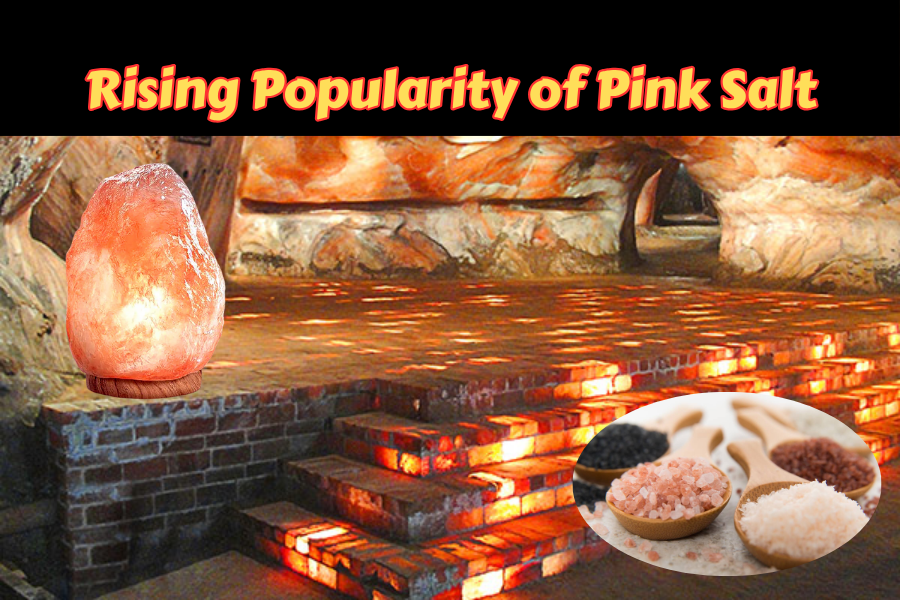
Salt lamps, carved from pink salt crystals, supposedly purify air with negative ions. Studies show they produce negligible ions and don’t improve air quality. Halotherapy, inhaling salt-infused air, claims to help asthma. Evidence is limited and inconclusive.
Sodium Concerns
Himalayan pink salt is high in sodium. Overconsumption can raise blood pressure and heart disease risk. The American Heart Association suggests limiting sodium to 2,300 mg daily, ideally 1,500 mg. Unlike iodized table salt, pink salt lacks iodine, vital for thyroid health. Users must get iodine from seafood or fortified foods.
In short, Himalayan pink salt’s health benefits are overstated. Its real strengths are aesthetic and culinary.
Cultural and Aesthetic Appeal
Himalayan pink salt has become a cultural phenomenon. It aligns with trends favoring natural, artisanal, and exotic products. Consumers crave items with a story—authentic, sustainable, or tied to a place. The “Himalayan” name, despite its Salt Range origin, suggests purity and ancient roots.
Its visual appeal extends to home décor. Salt lamps, wall panels, and candleholders blend spirituality and modern style. They adorn yoga studios, wellness spaces, and trendy homes. Social media amplifies this trend. Influencers showcase pink salt in recipes, spa treatments, and décor. Its photogenic nature fits platforms like Instagram and Pinterest, signaling a lifestyle of health and sophistication.
Environmental and Ethical Considerations
Rising demand for Himalayan pink salt raises concerns. The Khewra Salt Mine, though vast, is finite. Increased mining threatens sustainability and causes environmental harm, like energy use and habitat disruption.
Labor conditions at the mine face scrutiny. It employs many locals, but low wages and dust exposure pose risks. Ethical sourcing matters to some consumers, who demand supply chain transparency.
The salt’s “natural” label appeals, as it avoids chemical processing. Yet, shipping it globally—from Pakistan to Western markets—creates a carbon footprint. Consumers must balance its allure with these impacts.
Economic Impact
Himalayan pink salt boosts Pakistan’s economy. The global specialty salt market, including pink salt, reached over $2 billion in 2023 and keeps growing. Pakistan exports millions of tons yearly to the U.S., Europe, and Australia.
The salt trade creates jobs near the Khewra mine. However, profits often favor exporters and global retailers, not local workers. Fair trade efforts aim to address this but face challenges in a competitive market.
The Future of Himalayan Pink Salt
Demand for natural, artisanal products suggests pink salt will stay popular. Brands must prioritize sustainable sourcing and transparency to maintain trust. Innovations, like flavored salt blends or cosmetic uses, could drive growth. However, other specialty salts, like fleur de sel, may compete.
Science will shape perceptions. As studies debunk health claims, consumers may grow skeptical. Awareness of sodium risks and iodine needs could shift buying habits, especially where iodized salt is a health priority.
Conclusion
Himalayan pink salt’s rise reflects storytelling, aesthetics, and consumer trends. Mined from Pakistan’s Salt Range, 250 kilometers from Islamabad, it has journeyed to global kitchens and homes. Its health benefits may be exaggerated, but its versatility and beauty ensure its place in modern culture. As sustainability and ethics gain focus, its future hinges on balancing allure with responsibility. Whether on a gourmet dish or glowing in a lamp, it symbolizes a quest for authenticity and the extraordinary.